



From linchpin to link: how wholesalers lost their grip
The shift from indispensable to vulnerable
For a long time, the wholesaler was the essential linchpin of the supply chain. Suppliers relied on them for distribution, customers came to them for their broad range and expertise, and "wholesale" was practically a synonym for reliability. But that once-obvious role has changed dramatically over the last decade.
The big shift started with the rise of e-commerce. Ten years ago, many wholesalers were still debating whether a webshop was truly necessary. Today,that is no longer a question; it is a basic requirement. This realization didn’t happen overnight, but grew steadily, reaching a clear tipping point during the pandemic. That period proved just how vital digital channels are,even for B2B customers.
Manufacturers and platforms are cutting out the middleman
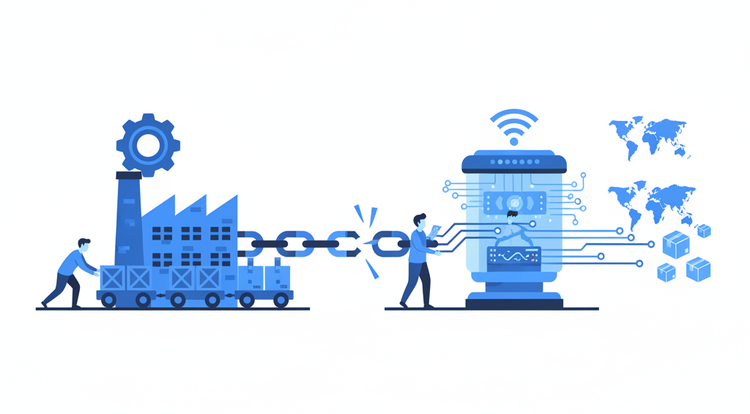
A major factor impacting the wholesaler's position is the trend of "going direct." Manufacturers are launching their own webshops, bypassing the wholesaler entirely. At the same time, some wholesalers are opening B2C platforms, putting them in direct competition with the very retailers they used to supply.
On top of that, international giants like Ali Express and Temu are flooding the market with factory-direct prices. For a tableware wholesaler, for example, this made it almost impossible to compete. Products were being shipped straight from the source for a fraction of the cost, causing traditional margins to evaporate completely.
"The days of wholesalers simply acting as 'the middleman' are over. Today, you don't win on inventory, you win on your command of data and the reliability you deliver to your customers." - Wesley Regtuit, Product Owner at PLGGR
The impact of dropshipping and changing behavior
The rise of dropshipping has only added to the pressure. Thousands of small webshops now sell products directly from China, often without holding any stock or needing a logistic middleman. Consequently, the old assumption that a wholesaler is a necessary link in the chain has largely disappeared.
Customers, both consumers and businesses, increasingly choose the shortest path. They want to order directly from producers or through platforms that offer everything in one place, without an extra margin built in. The wholesaler, once the center of the ecosystem, is at risk of being pushed to the sidelines.
Regaining control through ownership
Does this mean the wholesaler no longer has a role to play? Not at all. But that role has fundamentally changed. Value is no longer found just in having a large inventory or logistics capacity; it lies in the ability to provide oversight and reliability.
Without a grip on data and processes, your added value fades away. The wholesalers that survive are the ones taking full ownership: ensuring product information is flawless, stock levels are real-time, and customers can rely on them blindly. In a supply chain that is becoming increasingly direct, that level of trust is exactly what sets a business apart.


